As an emerging artist navigating the uncertainties of working in the arts and culture sector during an economic downturn, I grapple with feelings of doubt, envy, and guilt about aspiring for a quality of life that I also have some criticism of: I am confronted by an uncomfortable reckoning that my ideals are shaped by a Western model of success that is deeply consumeristic and, for many, unattainable.
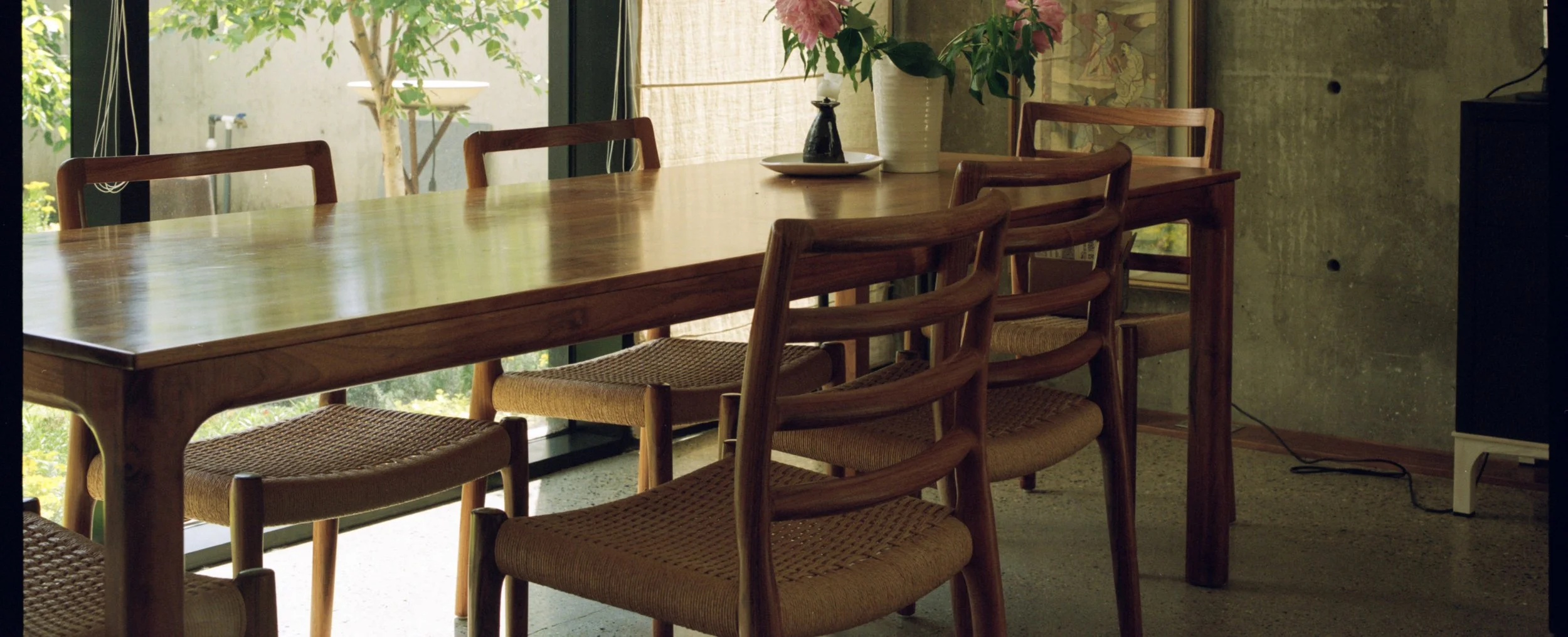
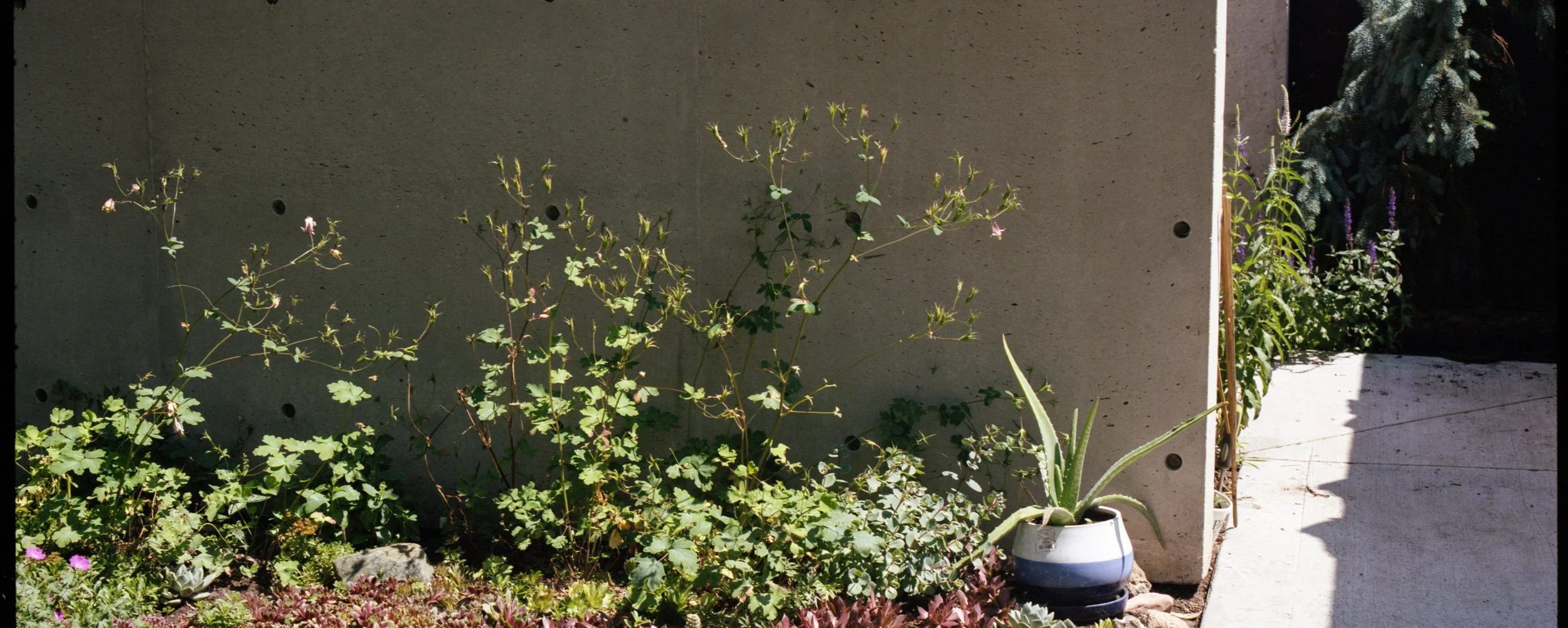
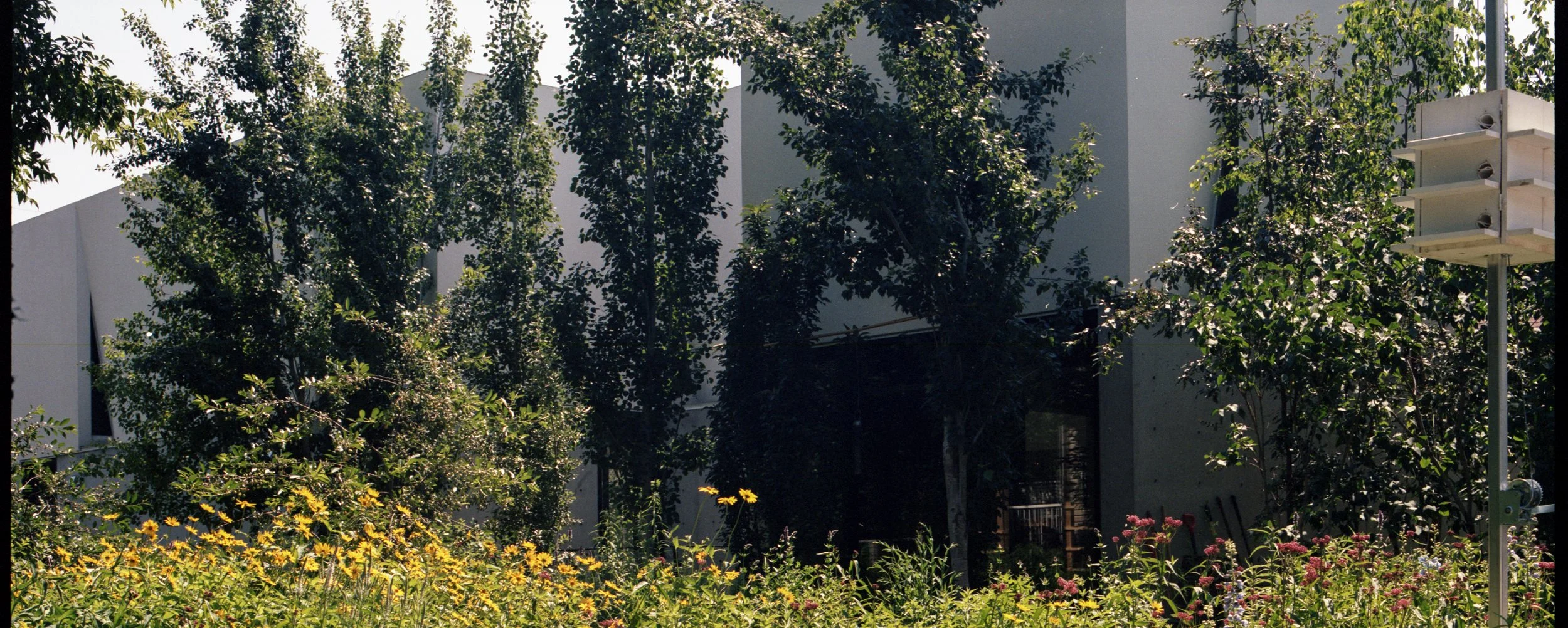
One afternoon two summers ago, I walked by an overgrown suburban garden that grabbed my attention. The wild garden seemed a puzzling and poignant contrast to the home’s rigid concrete structure, reminiscent of post-war Brutalist architecture. The homeowners invited me to photograph the interior and exterior of the home. Walking through the home felt indulgent, like perusing the pages of a Home & Garden spread: beautiful, unfamiliar, pristine. The curated objects and immaculate interiors raised questions not only about unveiling private life, but also my relationship to spaces that represent wealth and class. I found myself contending with my place within these value systems, feeling drawn to their allure while disconnected from them. Despite my ambivalence, if I could live in that house, I would.
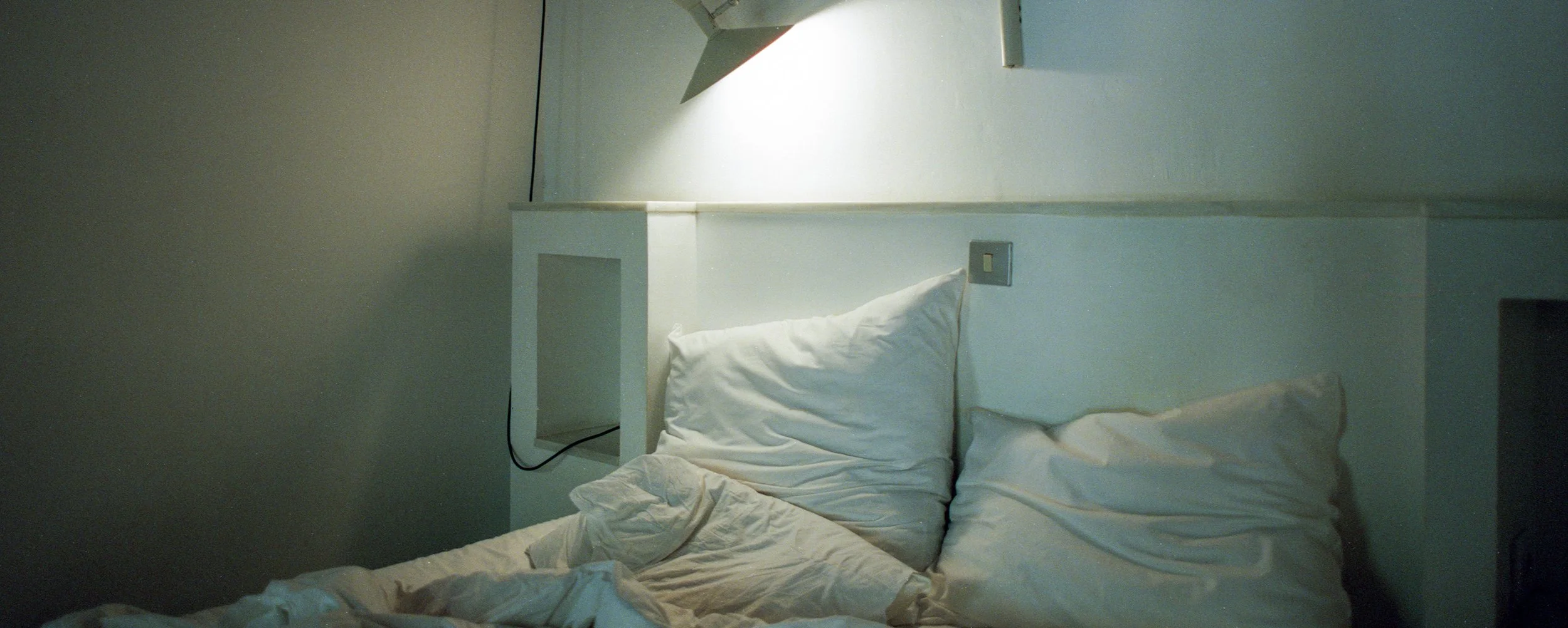
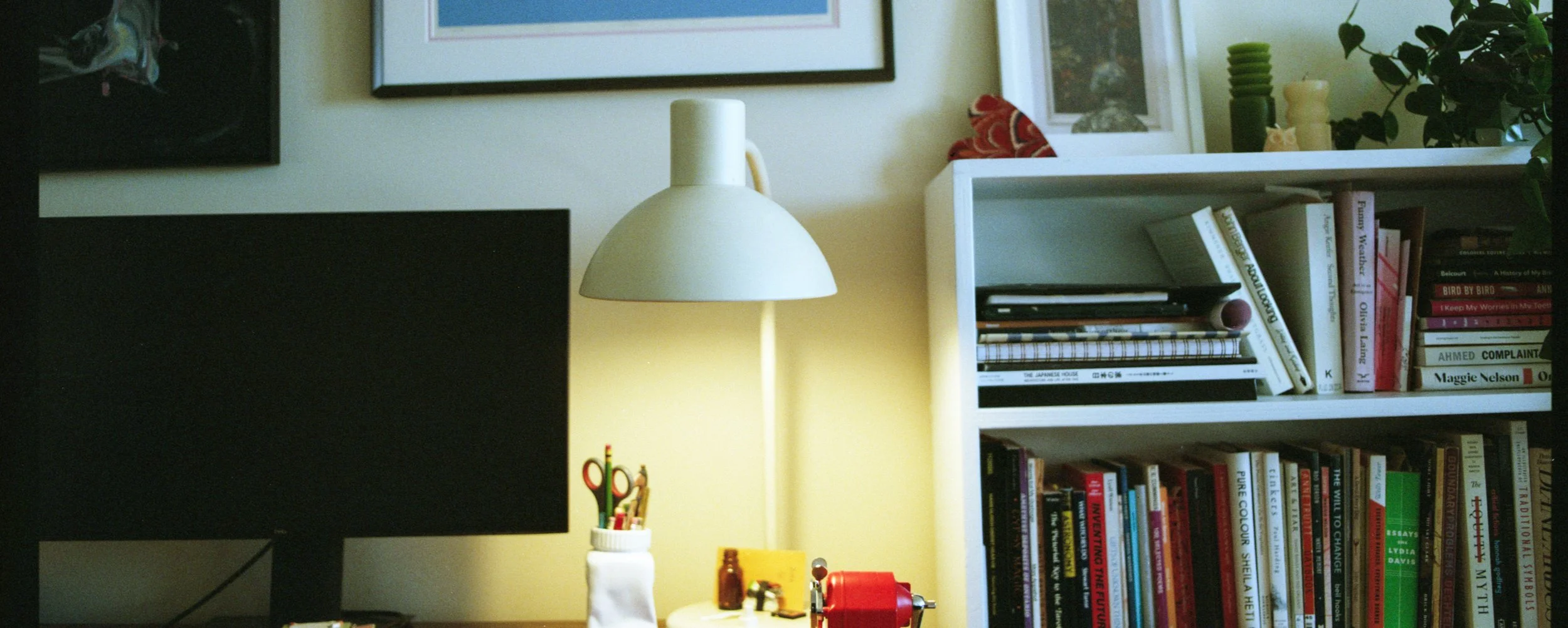
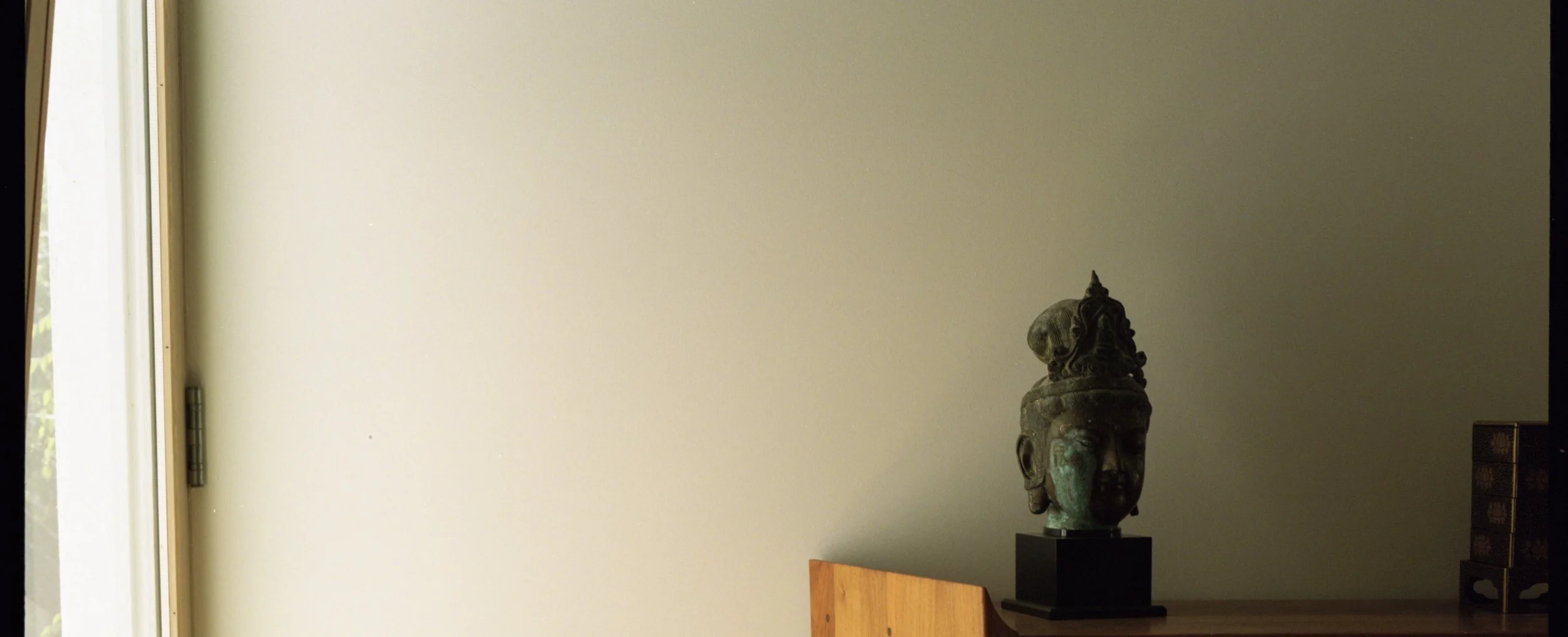
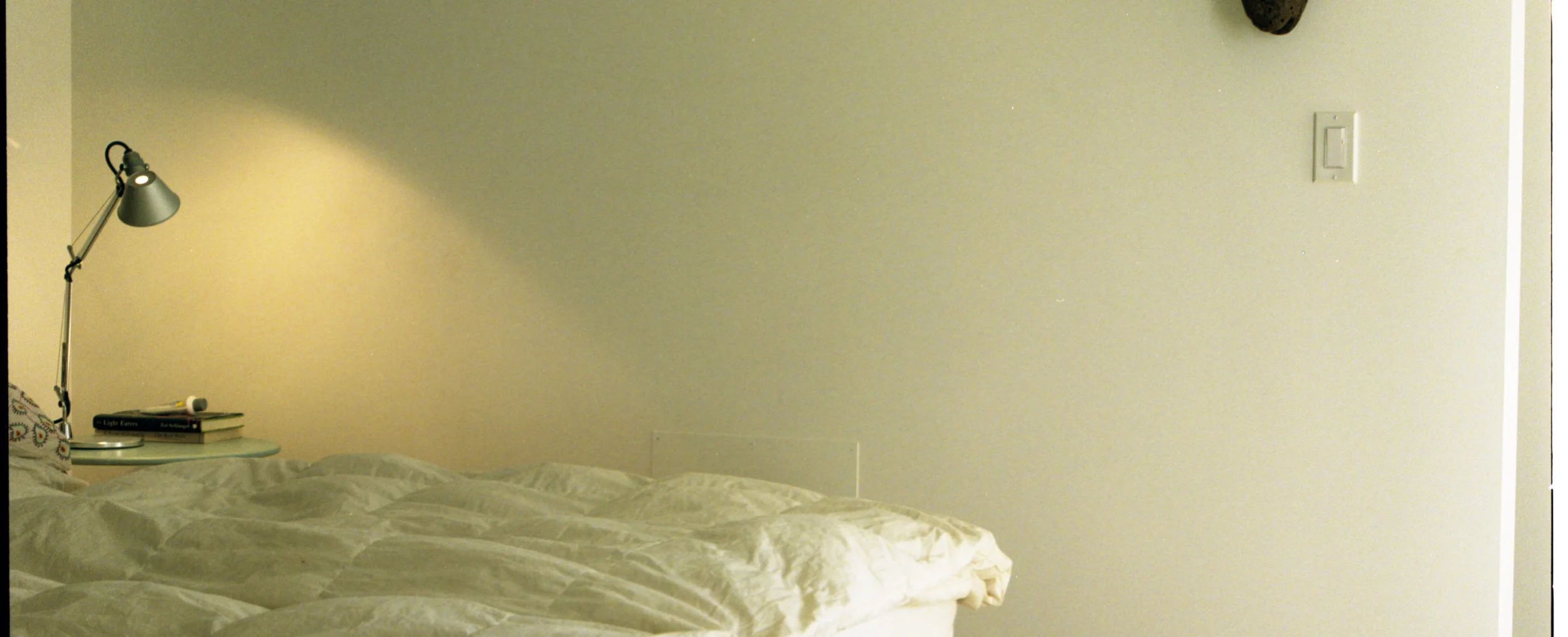
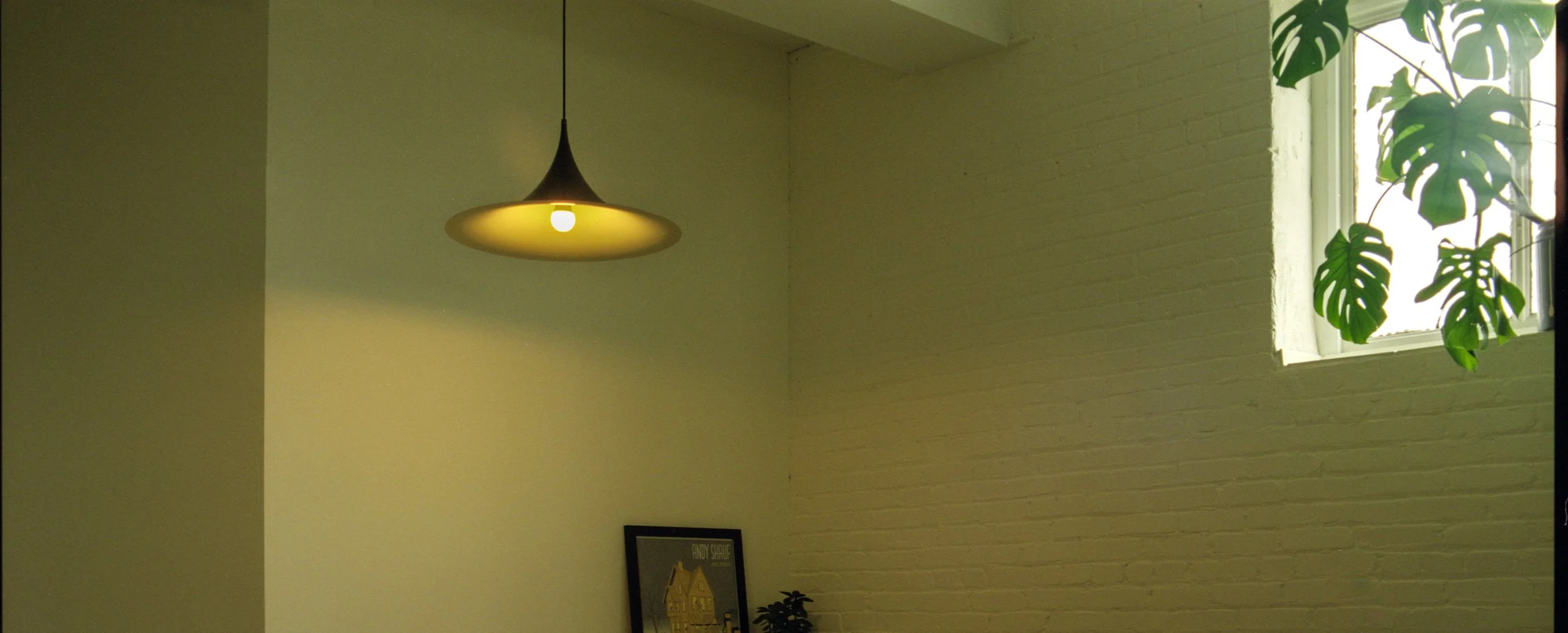
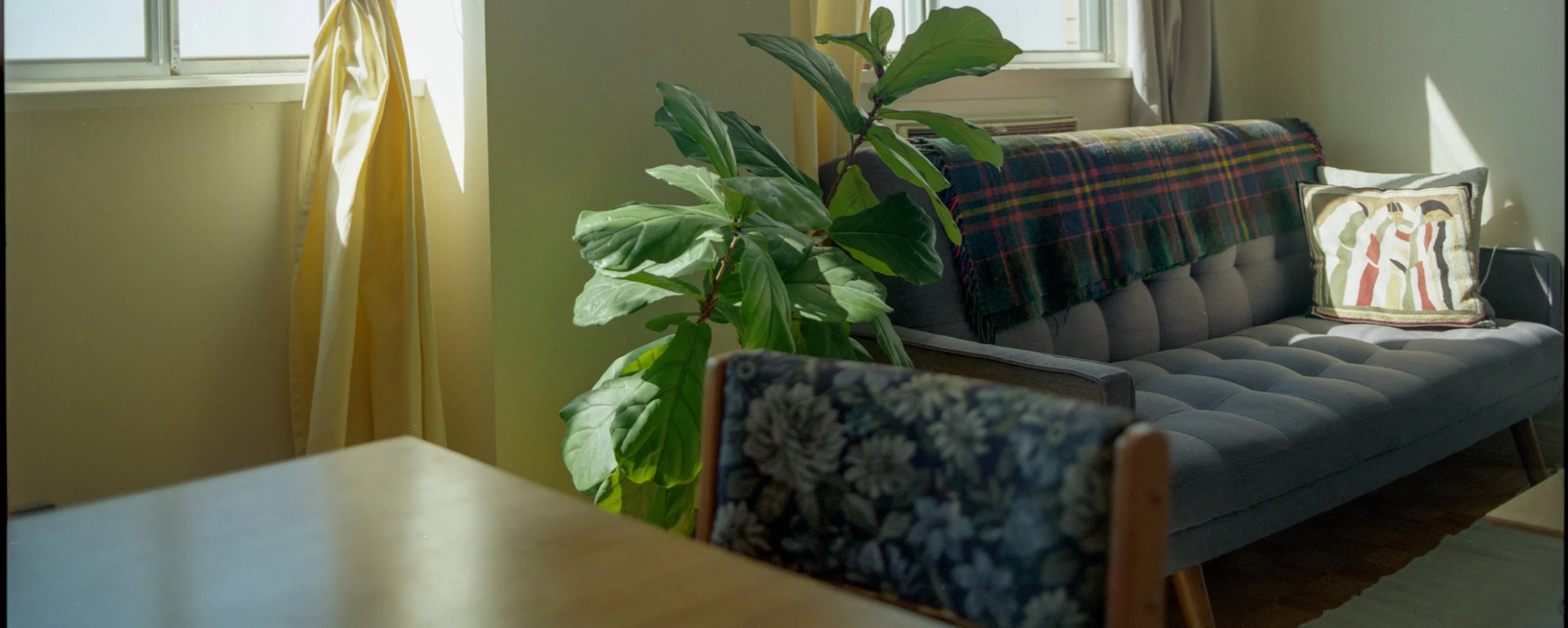
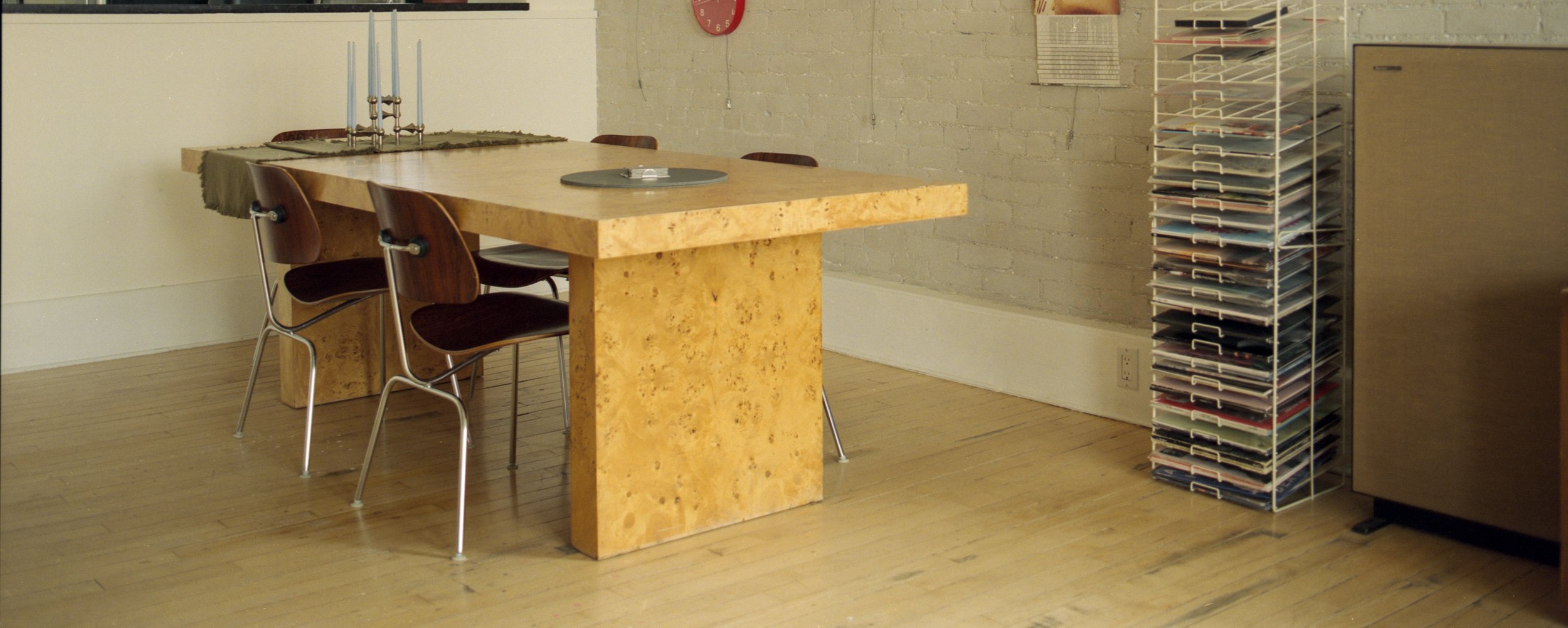
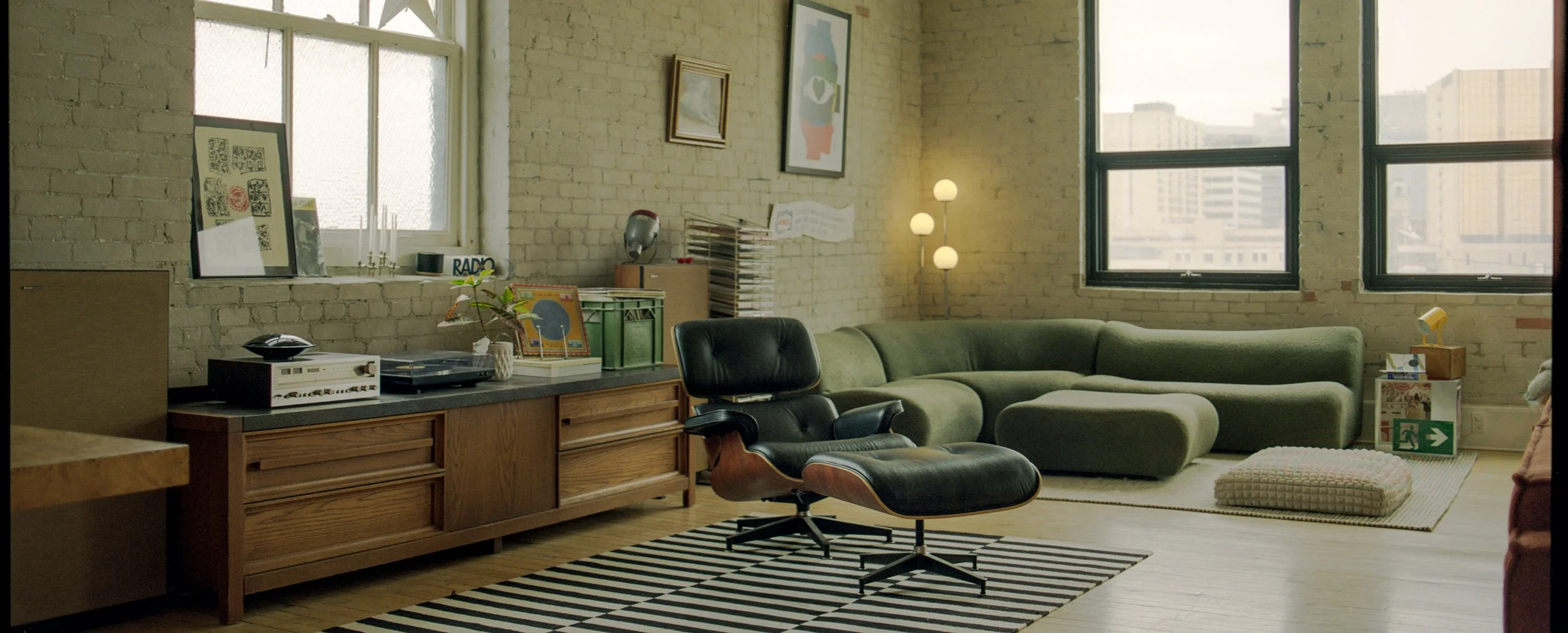
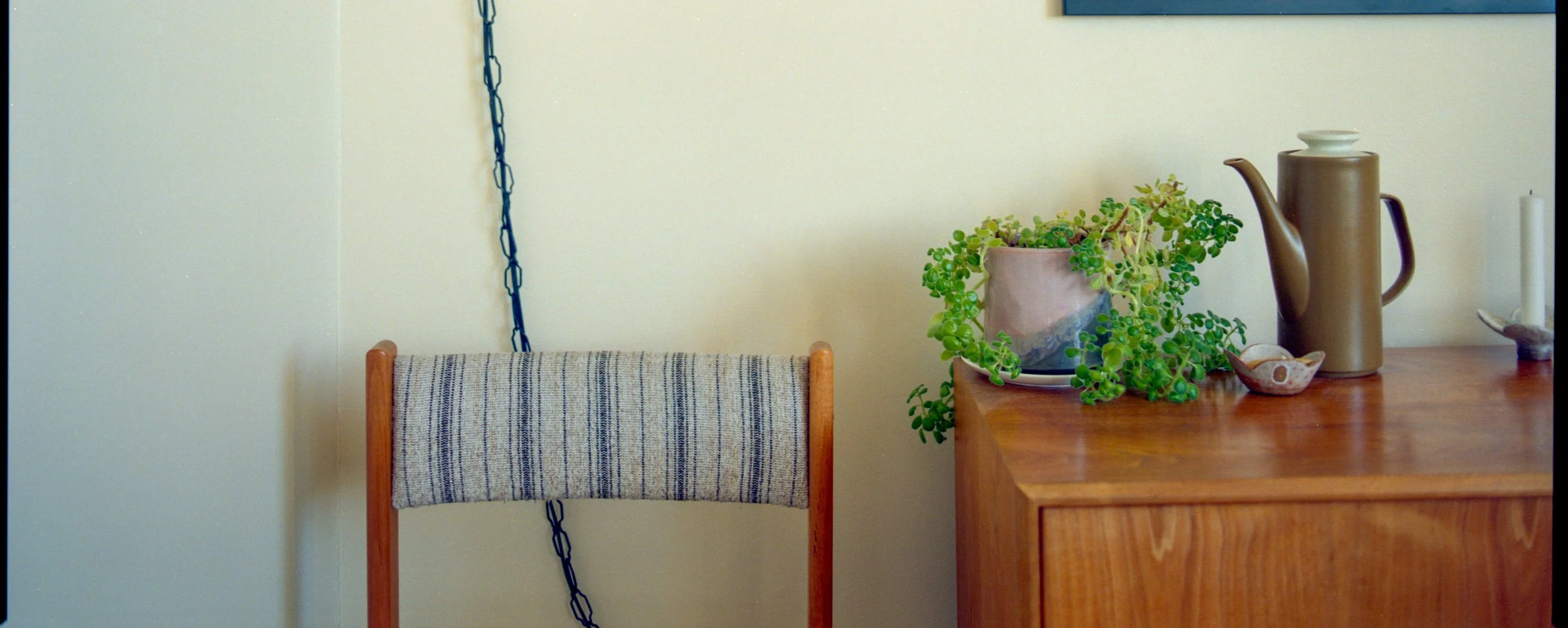
This encounter became a framework for this body of work. I photograph the homes of people in my community–friends, colleagues, neighbours– who I admire and who reflect a perceived sense of stability and access that I desire and question. I use a medium-format film camera to work slowly and intentionally. The act of documentation becomes a sacred and ritualistic engagement with real and imagined memories, histories, routines, and meanings embedded within the space. The work requires me to sit with my own envy. By creating subtle interventions by way of framing, cropping and object placement I aim to reflect the dualities embedded in the work and in daily life: belonging and exclusion, stability and precarity, privacy and performance.